Couples Therapy Process
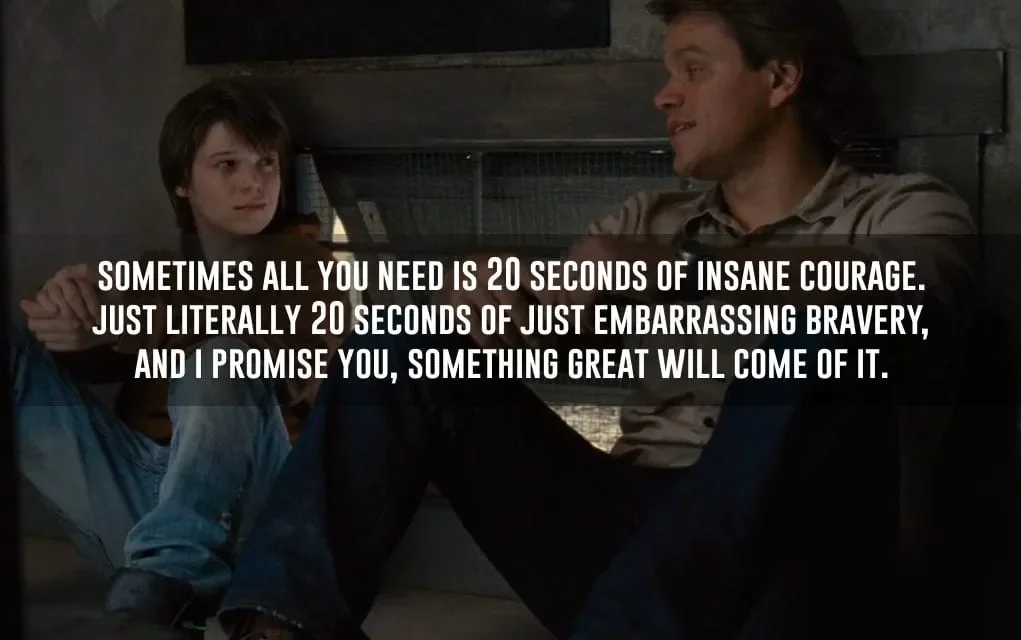
Quote from the Movie: We Bought a Zoo
Simply put, my job as a couples therapist is to help each partner open up to each other in direct and vulnerable ways.
It can be very easy to get stuck handling tense moments together with protective reactions:
“You never say hi, you come home from work and say nothing…I’m not your roommate!”
As they share this, I see their courage to say something about the tension…I see their energy to finally feel seen. If their purpose is to feel heard and work this out with their partner though, this share may only create more tension and distance.
In these blaming stances, we spend more time describing our partner (in criticizing ways) than describing our own pain. This makes it challenging for our partner to actually understand what we’re experiencing (as the human they care so much about).
After a brave, yet rushed moment like this, I will guide them to slow their default process down, compassionately and directly recognize their protection, and connect to the experience they’re having underneath:
“I miss them. I want to feel close. And, it’s not just them not saying hi when they get home...I’ve been feeling really alone and sad recently since my best friend moved away, and that’s been really hard for me.”
(slowing down, calling out our protections, and moving underneath towards our own painful experience shows our nervous system that we care and matter enough to be heard)
Once they connect to themselves underneath their protection, I lead them to share out loud in a raw and courageous way:
“I do want us to light up when we see each other after being gone all day. And, it’s actually been extra hard lately. I’ve been feeling alone since Neb moved away. And, I’m realizing that when you come home and don’t engage with me...it all hits me pretty hard.”
(sharing our vulnerable voice in our most important relationships shows our nervous system that we matter enough to be included)
I know it can be hard in tense moments to slow down, connect with ourselves, and share vulnerably. I also know how common it is (especially for men) to abandon our internal experience and isolate our true nature from those around us. So, I’m going to offer a perspective on why putting in effort to connect (particularly in these ways) may be a worthy pursuit:
We all know what happens to us when we get really hungry or are sleep deprived.
We can move to...hangry...irritable...low power mode.
A similar intensity comes up when we lose access to our most important people...
...because belonging is a basic survival need too...
...and survival needs tend to get really loud and distracting inside when they’re not met.
Biologically, there is something inside humans pushing us, urging us, incentivizing us towards relationships.
Even when we are isolated from others, our body forces us to feel wanted and not alone through whatever various, superficial, short-term ways we can find (social media, porn, video games, Wilson from Cast Away).
I’m not trying to take the romance out of love or the fun out of friendship by saying it’s all for survival. There are actually a lot of survival-based urges that we have creatively done some cool things with.
For instance, cooking food can be such a beautiful art...but, the actual urge to eat comes from a survival need to maintain our body. Also, sex can be a whole lot of fun...but, the actual urge to have sex comes from a biological imperative to reproduce so we can survive as a species.
Historically, belonging to and functioning in groups has made it more likely we’ll survive - with a partner, a family, a community...and, caretakers become absolutely necessary for survival in our youngest and oldest years of life. So, we are wired for this need our entire lives.
And so, just like cooking, belonging can be an art too. Connecting can be done in such unique, fun, and intimate ways. The art of maintaining emotional intimacy in a safe and secure relationship can help us move beyond just surviving together.

“Oh, Arnold, would that you could see through this vain disguise, and realize that my cruelties are merely a lost and lonely soul’s cry for attention! Yes, and, love...alas.” - Helga from Hey Arnold
If this urge inside is going to push us anyway...instead of spending it on brief, superficial moments...why not really show up for this need? Why waste it on a bag of chips for dinner (making us feel like shit)...when we could make a nutritious and salivating meal, and feel satiated long-term (with a little bit more effort)?
With this effort in our relationships, we can slow down, connect to ourselves, and share vulnerably...we can feel authentically seen by each other and create beautifully close bonds with the most important people in our lives.
“Oh, Arnold, would that you could see through this vain disguise, and realize that my cruelties are merely a lost and lonely soul’s cry for attention! Yes, and, love...alas.” - Hey Arnold
It’s natural that we hope to be seen the moment we trade our armor for our truth.
“Every time you walk away when we’re talking, it really hurts.
I need you to stay.”
Sharing this is already brave…and yet, our partner still may not see us until we do another brave thing.
As challenging as it may sound, it’s important to stay curious about the person who just hurt us. Our pains are way more intertwined than we may realize. Hearing their side can actually make the story of our own pain that much clearer and easier (for both of us) to understand.
“Every time you walk away when we’re talking, it really hurts. I’m curious, what’s happening for you in those moments?”
“Well, I see you get really mad when I walk away...but, I don’t know how else to get the space I need in those moments.”
“When you walk away, I feel abandoned. I thought getting mad was the only way to reach you.
But, I’ve realized that it just makes things worse.”
“Well, in those moments, I’m needing space because I feel a lot of pressure...
…like, I need to have the exact, right answer for you.”
“What do you mean by ‘the exact, right answer’?”
“If I don’t agree, you usually criticize me, like I’m making the wrong move...
…and then, I feel dumb...
…and, after a while…
…afraid to be myself around you.”
“Ooph, I need a second with that.”
This is an important spot to remind ourselves that:
Being “in the right” is overrated because connection thrives when we can accept that we’re imperfectly human...like everyone else.
One of the most helpful actions we can do for our loved ones (when they’re hurt) is to engage with their pain, so they don’t feel so alone in it.
If we’ve hurt them, let their pain sink in. Our body will store it and naturally motivate us towards the person we’re striving to become.
Remembering these at various points throughout a painful conversation can help shame not whisk us away, and give us the best opportunity to stay engaged.
“So, I knock you down when I’m anxious...and, you feel like you have to tiptoe around me.
Am I getting that right?”
“Yea, when you get anxious like that, it’s a lot for me. So, I do end up shutting down…and then I try to avoid these bigger conversations.”
“Dang.
I’m happy you’re telling me. I guess I didn’t realize the extent of what that did to you.
It sounds overwhelming, and I’m sorry.”
“Thanks for seeing me.
Also, I don’t want to abandon you by shutting you out. Maybe before I get to the point of walking away, I can try calling out when I feel overwhelmed.”
“That would help a lot.
Also, I’ll need to figure out what’s happening on my end when you don’t agree with me. Whatever it is, I’d rather share that than criticize you.”
Opening up to our partner’s experience may be painful. But, as we honor our voice, get curious about theirs, and own our previously invisible impacts, we begin to co-author the story of our pain together. Not only does this give us the chance to truly be seen by each other…it can also help us channel our energy into what will actually bring us closer.
Quote by Albert Einstein
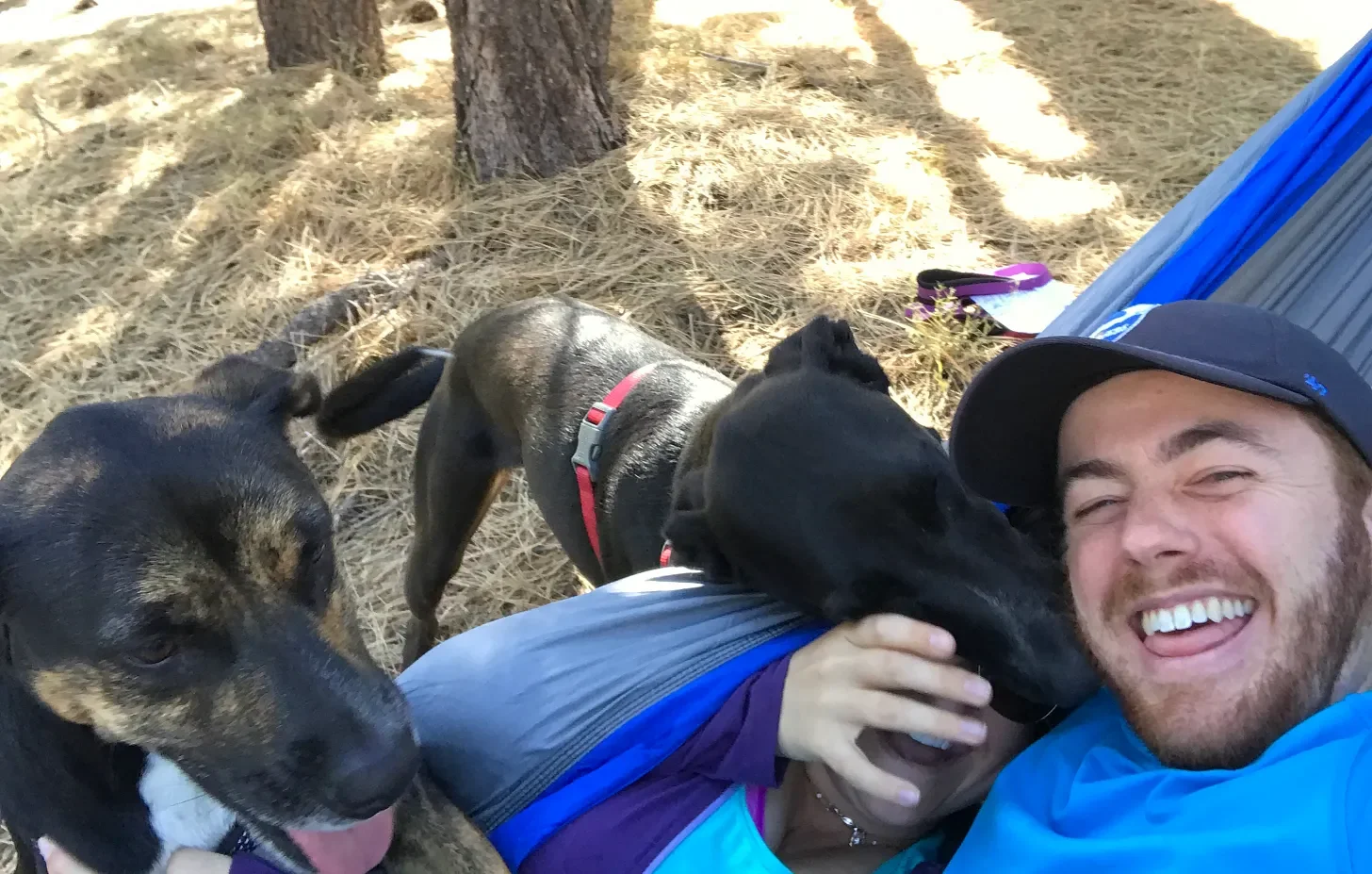
“Woah, I just about believed I was the only one. And, I was reminded again that none of us have it all together. We’re all flawed and unique when unboxed from society’s grip. I don’t want to go back into hiding and miss yet another moment where things get so goofy with you that we fall over laughing...losing the air in our lungs...begging each other to run to the other room because if we hear one more sound, we’ll fall to the floor again, unable to catch our breath.”
To make both our imperfect voices clear to each other…we need to be brave enough to unveil and ask about the invisible truths we both carry.
But, what if they aren’t hearing our voice though? What if we’re consistently sharing the impact their angry outbursts are having on us and they keep dismissing our experience?
The hope is for the human we care so much about to allow our pain to sink in…and, face this direct, yet compassionate mirror into themselves. The hope is they’ll want to learn that underneath their anger is them not feeling seen, and then find more satiating ways of feeling seen (versus continuing to create a bitter facade of it).
But, they may never hear us. They could see this for themselves, read something like this, go to therapy, have others share similarly, or see us leave the relationship…and, even then, they still may not hear us. So, at some point, we need to show our nervous system that we’re important enough to care about (even if that means leaving).
I wish I could provide insight into “how to care for the emotional needs underneath every one of our reactions.” But, because of all the nuances involved, there’s no one way.
Instead, I’ll share an anecdote about how I (as the imperfect human I am) navigate through my angrily-rushed, reactive pattern.
“Hey, I feel you getting annoyed with me as I slowly get my shoes on.”
“Yea, I am...
…I can already tell it has nothing to do with you...
…what is happening for me?
Oh, I saw the clock, realized we were late, and I got really mad at myself for being disrespectful of people’s time, and deflected that on you when I saw you were still putting your shoes on.
I’m sorry I put that on you. I want you to have the space to go at your own pace.
And, also, being 5 minutes late is well worth it...because, instead of showing up to our friend’s house rushed and frazzled, we’ll be engaged and relaxed.
Thanks for the call out. My productive part gets away from itself at times…thinking we’re back in my childhood environment where being late was disrespectful and not okay.
I do appreciate my productive part for all the reminders, motivation, and success it brings me, and it can become unchecked and lost at times thinking we’re not doing enough.
But, we are...just as we are...enough. And, our friends know we care about them in all sorts of ways. 5 minutes won’t ruin that. And if it does, they’ll let us know, and we’ll repair...
…because we do care about them.”
Me being annoyed made it obvious that something more was happening for me inside. My wife provided a mirror for me, and I took that opportunity to pause and check in.
My underlying need was to belong...specifically...to ensure our friends knew we cared about them. My productive part was trying to make sure of that. And, it was incessantly poking me until I paid attention.
After listening, I appreciated that part, compassionately recalibrated its past-driven expectations, and then reassured it that we were, in fact, caring about our friends.
And, my productivity was able to feel relief...enough to hibernate again.
When we recognize the impact we have on our partner…and soothe the reactivity within us, it can show how dedicated we are to truly seeing both of us. And, together in these moments, we show that no matter how flawed or unique we are, we’re lovable.
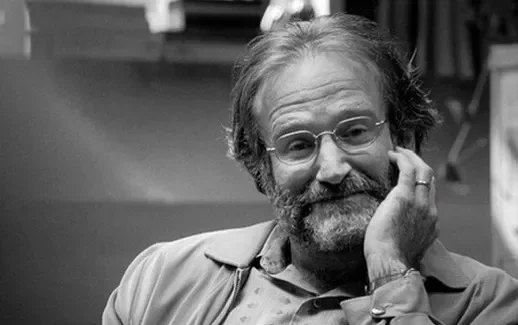
“My wife used to fart when she was nervous. She had all sorts of wonderful little idiosyncrasies. She used to fart in her sleep. One night it was so loud it woke the dog up. She woke up and went, ‘ah was that you?’ And I didn’t have the heart to tell her. People call these things imperfections, but they’re not—that’s the good stuff. We get to choose who we let into our weird little worlds.” - Good Will Hunting
Not Alone Anymore has been about the therapy process I typically guide clients through to find closer connections with their most important people:
With compassion…
Notice our reactivity
Lay down our armor
Connect to our invisible and defenseless experience underneath
Vulnerably share (and stay committed) to that important truth
And then, get curious to co-author the intertwined story of our pain (together)
“Hey, you seem distant...you’ve been wandering off a lot when I start answering the questions you ask me.”
“What? That’s not true. I’m listening to you.”
“I know how it feels when you’re engaged with me, and it hasn’t been feeling that way.”
“What are you getting at?”
“This is important to me. It sucks to feel you pulling away.
But, maybe I’m missing something on your side?”
“…
Yea, I guess so…
…I have pulled away a bit.
…
I think it’s because you take your time when answering…
…which forces me to slow down.
And, your answers are typically emotionally cutting…
…which brings up a lot for me.
I don’t have that capacity with all the emotionally intense things going on in my life.”
“Yea, you definitely have been dealing with a lot.”
“Right…but, I do need to stop cancelling therapy. I really want to be able to slow down again…and, have deeper relationships again.
But…for now…is it okay for us to compromise a bit?”
“Yea, to be honest, just you hearing me right now is helpful.
I was starting to get the idea that I can’t include myself just as I am. Yet, here we are, talking about it, and I feel included again.
Actually, maybe a good compromise is poking fun at the next time my answers get too deep.”
The effort to slow and connect with our present selves like this is not meant for every conversation (or every issue). We’re not built for all that pain, effort, and seriousness. We also need to let go of our productivity to dance, laugh, and do nothing.
This depth is meant for the important moments…with our important people…so we can move away from the stagnation and vicious cycles we often get stuck in…and, move closer to each other,
towards a place we can call home,
where we can feel authentically seen,
where we don’t have to be alone anymore.